Not sure what to make of Brooklyn gallery exhibitions? Look at the wall text, the artist list and the run dates first, then wander slowly and follow what holds your attention.
| Item | Value |
|---|---|
| Brooklyn Museum roots | Dating back to the 1840s |
| Location | Eastern Parkway |
| Building style | Beaux-Arts |
| Architects | McKim, Mead & White |
| Collection span | Antiquity to the present |
These facts come from a Time Out guide by Howard Halle dated September 19, 2019, available at Time Out’s guide to exhibits at the Brooklyn Museum. Details can change, so check the source before you rely on them.
What counts as a gallery exhibition?
An exhibition is a selection of artworks arranged in a space so that you meet them in a deliberate order. It might be a single artist’s room of paintings, a crowded show of many hands, or a historical display built from a museum’s own collection.
Knowing which kind you have walked into changes how you look. A separate guide on group show vs solo show explains how the two formats differ and what each asks of a visitor.
Many shows also have a curator, the person who chooses the work and shapes the story around it. If that role is new to you, read about what is a curated exhibition before your next visit.
How to read a show once you are inside
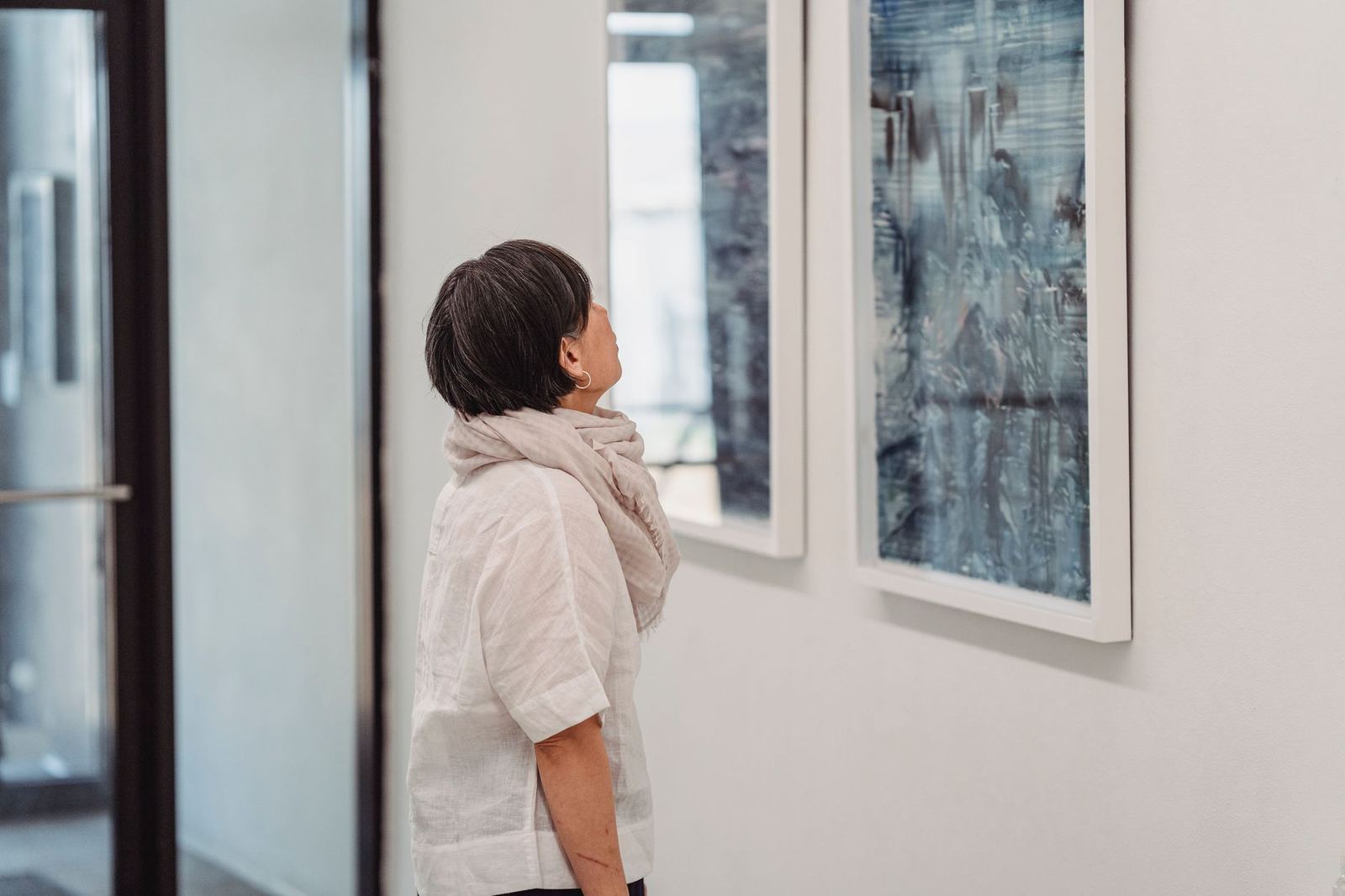
Most visitors drift from piece to piece and leave unsure what they saw. A short routine helps you slow down and notice the structure of the show.
- Start at the entrance and look for the title, the introductory text and the list of artists.
- Walk the whole room once without reading anything, noting what pulls you in.
- Go back to the works you liked and read their labels for title, year and materials.
- Ask what connects the pieces: a theme, a place, a material or a single person.
The text on the wall is a tool, not a test. The guide on how to read gallery wall text shows how to separate useful context from jargon.
When a piece leaves you cold or confused, that is normal. Tips on how to look at contemporary art can give you ways in that do not depend on knowing the artist’s background.
The Brooklyn Museum as a reference point
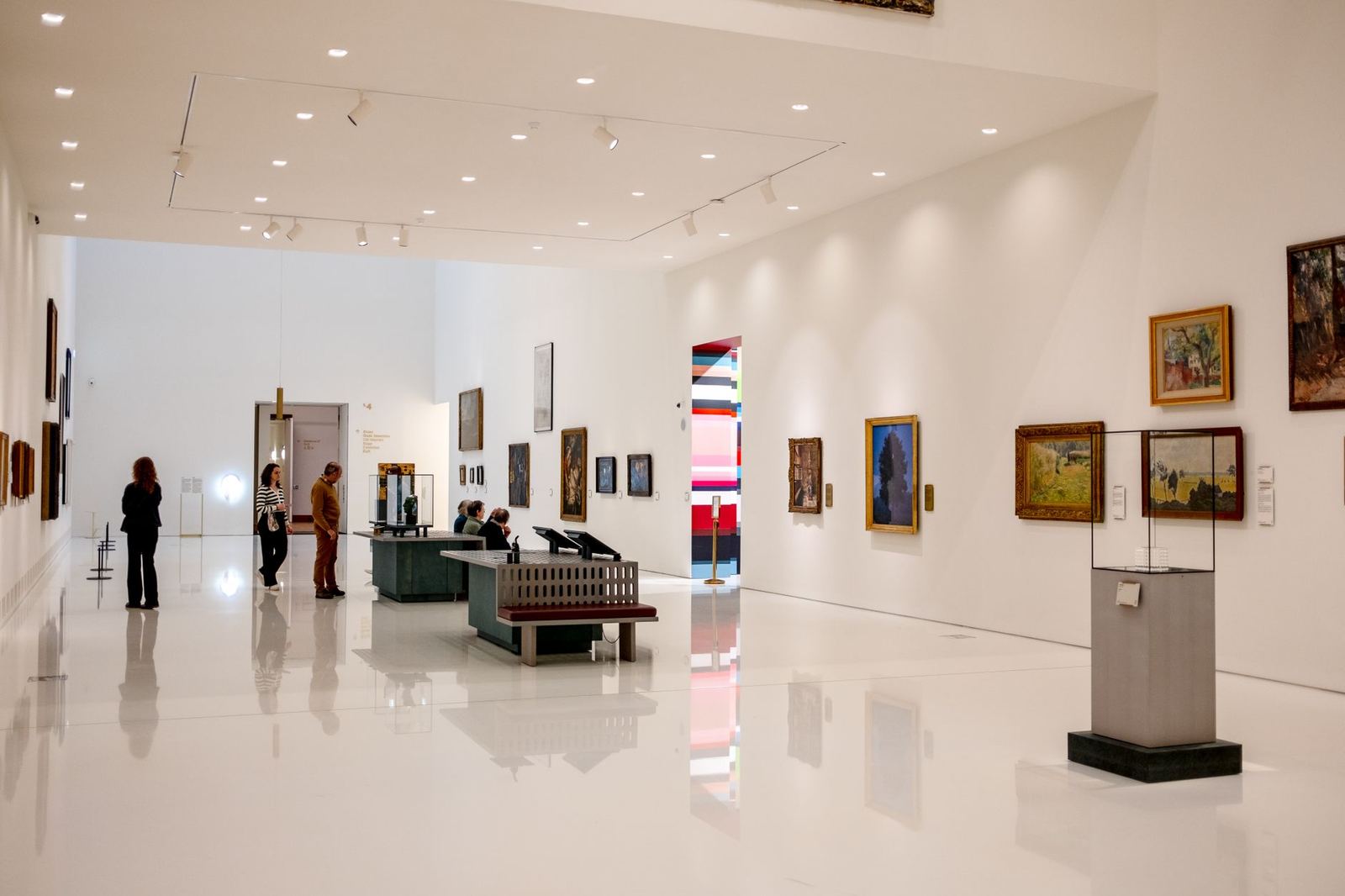
Commercial galleries and museums run shows differently, and the borough’s largest museum is a useful comparison. According to Time Out’s guide, the Brooklyn Museum has roots dating back to the 1840s and sits along Eastern Parkway in a Beaux-Arts building designed by McKim, Mead & White.
The same guide describes that firm as the Gilded Age architects behind the Morgan Museum and Library and the original Pennsylvania Station, which was torn down in 1963. It also says the museum has encyclopedic holdings spanning Antiquity to the present.
Those holdings feed its programme. Time Out says the museum presents exhibitions that draw on both its own collection and loans from other major museums, and that past shows have included Frida Kahlo and Andy Warhol.
The schedule has also reached into history, fashion and pop culture. Time Out singles out the museum’s hugely popular look back at the career of David Bowie as an example, so a visit can be broader than a standard art show.
The guide was published in September 2019, so treat its list of past shows as background, not as a current listing. Always check the museum’s own site for what is on now.
Openings, etiquette and timing
A show usually begins with an opening that is part party and part first look. If you have never been, the explainer on what is a gallery opening reception covers what happens and whether you need an invitation.
Openings are social and often busy, so some visitors prefer to return on a quieter day. That second visit is often when you can read the labels and look at the work without competing for space.
Whenever you go, a few habits keep the room pleasant for everyone:
- Keep a respectful distance from the works and never touch them unless invited.
- Check the gallery’s photo rules before you take pictures.
- Speak quietly and give other people room to look.
- Ask staff questions politely, and do not feel obliged to buy anything.
The guide to gallery etiquette goes through these points in more detail.
Timing matters too, because shows come and go. Read how long do gallery exhibitions last, then confirm the closing date on the gallery’s own website before you travel.
Planning a day of looking
Smaller spaces are where you are most likely to meet new names. The guide to emerging artists brooklyn suggests how to find and follow artists early in their careers.
To place a single show in context, it helps to see the wider picture. A look at the brooklyn art scene explains how galleries, studios and museums connect.
If you want to build a full day around your gallery visit, browse things to do in brooklyn art for ideas that sit nearby.
- Pick a small number of venues rather than trying to see everything.
- Check opening hours and the current show on each venue’s own site.
- Leave time to sit, look again and talk about what you saw.
Frequently asked questions
What should I look at first in an exhibition?
Show answer
Start with the title and introductory text, then walk the room once to see what draws you in. Return to those pieces and read the labels.
Do I need to know about art to enjoy a gallery show?
Show answer
No. Looking closely, noticing what the works have in common and reading the wall text are enough to start. Your own reaction is a valid way in.
Is the Brooklyn Museum the same as a gallery?
Show answer
Not quite. Time Out describes it as one of the city’s largest and most venerable institutions, with holdings spanning Antiquity to the present, as of its September 2019 guide. Commercial galleries are usually smaller and focus on current artists.
How do I find out what is on?
Show answer
Check each venue’s own website for current shows and dates. Press and city guides, including Time Out, can point you toward venues, but listings change.