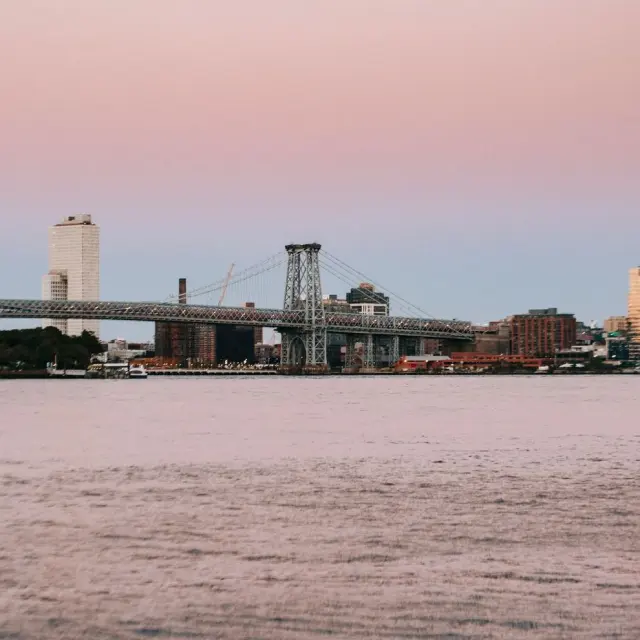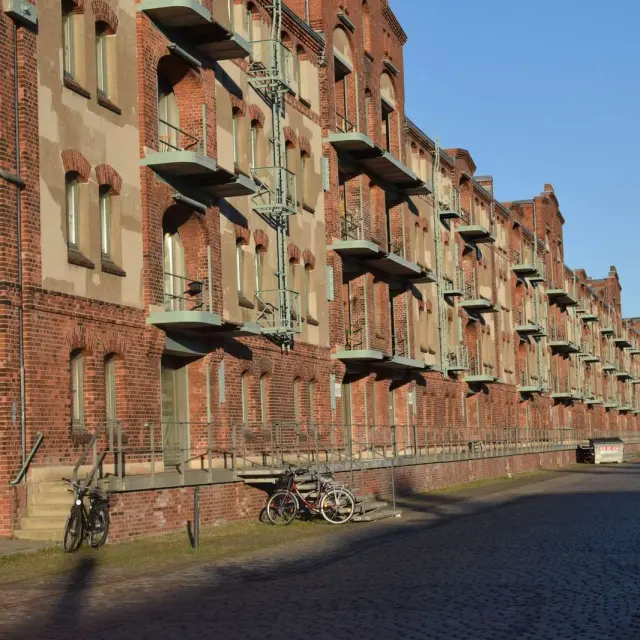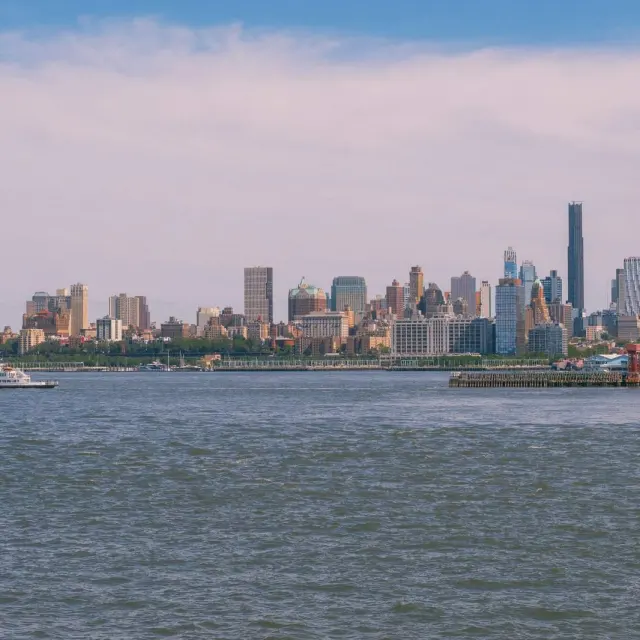
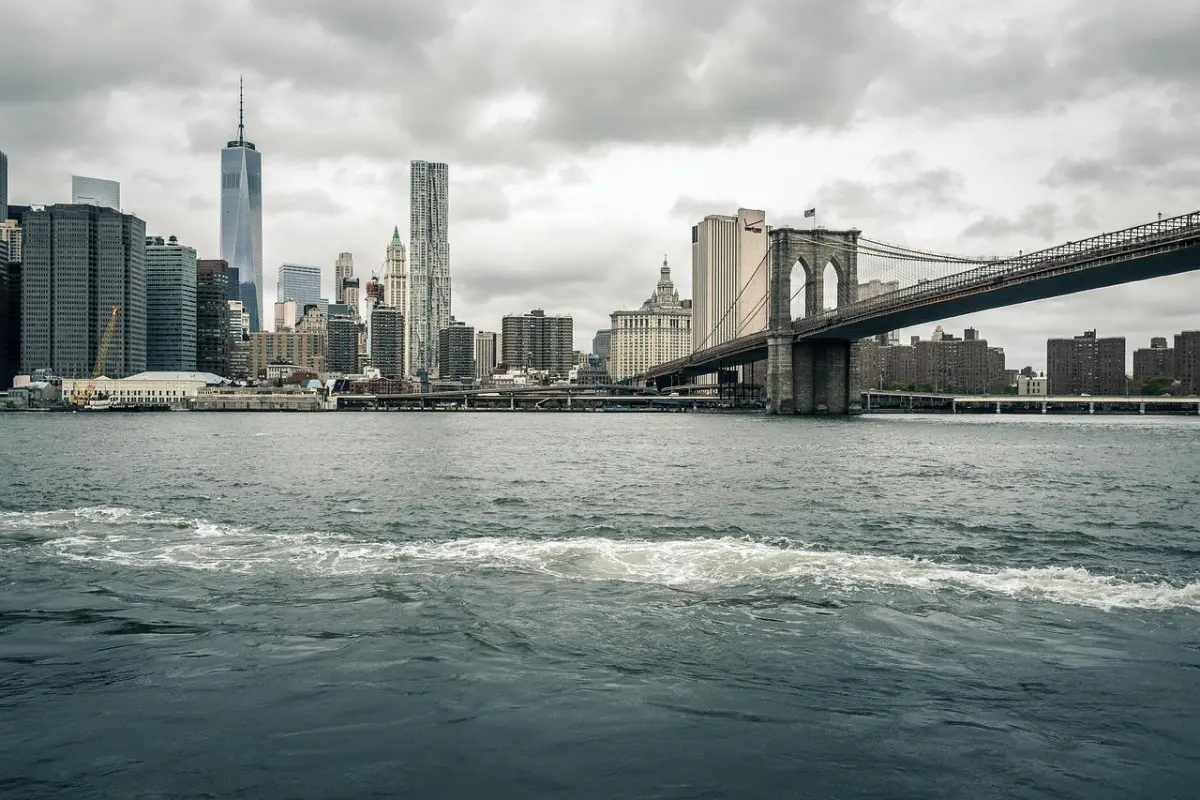
Wondering where to start with the Brooklyn art scene? Think of it as a trail that followed cheap rent from Williamsburg to Bushwick, Greenpoint, DUMBO and beyond. Pick a neighborhood, then walk in.
| Item | Value |
|---|---|
| Pierogi opens on North 9th Street, Williamsburg | 1994 |
| 56 Bogart Street converted to studios and galleries, Bushwick | Around 2005 |
| Bushwick art galleries (Untapped count, December 2021) | More than 50 |
| Faurschou New York warehouse, Greenpoint (opened 2019) | 12,000 square feet |
| Powerhouse Arts building, Gowanus (reopened 2023) | 170,000 square feet |
These figures come from Art Nerd New York’s Brooklyn galleries guide (last updated August 14, 2026) and Untapped New York’s Bushwick piece from December 2021. Figures can change, so check the source before you rely on them.
How the Brooklyn art scene moved with the rent
The quickest way to understand the scene is to follow the rent. Art Nerd New York says Manhattan’s galleries chase the money, while Brooklyn’s chase the rent.
Critic James Kalm made a similar point in the Brooklyn Rail in June 2008. Artists typically live on restricted budgets while needing large spaces to work, so Brooklyn has long been the closest and most sympathetic alternative to Manhattan.
A handful of dated markers show the pattern:
- May 1981: the Monumental Show put over 150 artists into a former Civil War munitions factory near the Gowanus Canal, and the landlord pulled the plug after three days (Brooklyn Rail).
- The following year: the All-Fools Show introduced a loose-knit Williamsburg artist community to a larger group of downtown artists (Brooklyn Rail).
- 1994: Pierogi opened on North 9th Street in Williamsburg, a neighborhood that was still cheap (Art Nerd).
- 1999: Sideshow opened in South Williamsburg (The L Magazine).
- 2000s: young professionals and artists began moving in droves to Bushwick’s converted lofts (Untapped).
- 2006: artist Deborah Brown first visited Bushwick and soon bought a vacant factory there (Brooklyn Magazine).
Our history of the brooklyn art scene covers these decades in more depth.
Why is Brooklyn different from Chelsea?
According to Art Nerd New York, Brooklyn runs on cheap warehouse square footage, artist labor, and a tolerance for shows that might not sell a single thing. That economics shapes what you see on the walls.
Deborah Brown, who runs Storefront Bushwick, told Brooklyn Magazine in March 2013 that she mixes young and more established artists. In her words, that would be hard to do in a more commercially driven, stratified environment like Chelsea.
The scene has also been largely do-it-yourself. Kalm wrote in 2008 that the borough had only the Brooklyn Museum of Art and the Brooklyn Academy of Music as institutional presences. By June 2013, The L Magazine argued that no greater concentration of artists, art organizations, alternative spaces and emerging-artist galleries existed in the country.
For a visitor, that has practical consequences:
- Quality varies. Art Nerd notes that it swings wildly from floor to floor in the busiest gallery buildings.
- Many spaces keep short weekend hours, so plan around them.
- Some of the best art is outdoors and free, as with Bushwick’s murals.
Williamsburg and the first wave of galleries
Williamsburg is where the gallery story starts in earnest. Art Nerd dates the start to the 1990s, with Pierogi opening on North 9th Street in 1994.
By June 2013, The L Magazine described Pierogi as hosting an online flat file of more than 900 artists, and it had added an annex called The Boiler in 2009. The same piece called Sideshow, opened in 1999, just about the last gallery left in South Williamsburg.
Rising prices pushed artists onward. Untapped says real estate prices shot up in Manhattan and nearby Williamsburg in the 2000s, and artists headed for Bushwick. Artforum reported in February 2012 that NURTUREart had relocated from Williamsburg to Bogart Street, and The L Magazine called Momenta Art another Williamsburg-to-Bushwick transplant.
Kalm went further in 2008, writing in the Brooklyn Rail that Williamsburg was the largest enclave of artistic talent ever to gather in one American community. He admitted that was perhaps a touch hyperbolic. For a neighborhood-level guide, see our williamsburg art galleries page.
Bushwick: studios, murals and the 56 Bogart Street building
By September 2009, CityRealty was telling readers to head east on the L to find the city’s newest important art hub. It named the multi-media space Third Ward as an anchor and noted that Bushwick Open Studios had just held its third annual event, with over three miles of studio tours, gallery openings and events.
The neighborhood looked very different to artists a few years earlier. Brown told Brooklyn Magazine that on her first visit in 2006 the blocks around the Jefferson stop were deserted and forbidding, with boarded-up factories and weed-strewn lots. Three weeks later she signed a contract to buy a vacant factory on Stockholm Street. If you want the studio-visit side of the neighborhood, our guide to bushwick open studios is the place to start.
56 Bogart Street
If Bushwick has a spine, Art Nerd says it is 56 Bogart Street. The former factory, a few steps from the Morgan Avenue L stop, was converted around 2005 and now holds more than a dozen exhibition spaces. Untapped adds that even Jenny Holzer had a studio there.
Tenants named in the Art Nerd guide include:
- Amos Eno Gallery, founded in 1974 and one of the longest-running artist-run cooperatives in New York
- Theodore:Art, in the basement
- Slag Contemporary
- Fuchs Projects
- Studio 10
- Honey Ramka
- Momenta Art
As of Art Nerd’s August 14, 2026 update, most spaces run Thursday to Sunday, roughly noon to six. Go on a Friday evening if you want the openings and the crowd spilling into the hallways, and check each space’s hours before you travel.
Smaller rooms and street art
Bushwick is not only one building. Art Nerd describes Sardine, opened in 2011, as a deliberately tiny room, and Transmitter as a collaborative project run by artists rather than a single dealer. Untapped lists Active Space, an art center with a 1,600-square-foot gallery and 37 artist studios.
Outdoors, the Bushwick Collective is free and permanently on view around Troutman Street. Art Nerd says founder Joseph Ficalora began inviting muralists to paint industrial walls there in 2011, and Untapped says its block party was founded in 2012.
How big is Bushwick’s scene?
Untapped’s December 2021 piece counted more than 50 art galleries across the neighborhood, as of that date (Untapped). The same piece notes that Bushwick once had as many as 45 breweries, which helps explain the big industrial buildings artists later took over.
Not every arrival was scrappy. Artforum reported in February 2012 that Chelsea dealer Luhring Augustine had opened a 12,000-square-foot annex warehouse in Bushwick. It suggested that, after low-budget, artist-run venues, a sea change might be in the offing. Our guide to bushwick art galleries covers the neighborhood in more detail.
Greenpoint, DUMBO and Gowanus: institutions arrive
As artists moved on, larger institutions followed the waterfront. Art Nerd reads the Greenpoint opening of Faurschou New York in 2019 as proof that Brooklyn grew up. It occupies a 12,000-square-foot converted warehouse and is run by a Copenhagen-based foundation that stages museum-scale, semiannual shows with free admission.
Our guide to greenpoint art galleries picks up the smaller spaces nearby.
In DUMBO, Art Nerd says nonprofit Smack Mellon turns 30 in 2026. It runs a studio program for underrepresented artists alongside a raw exhibition space on Plymouth Street, and it is free. The guide also says A.I.R. Gallery, founded in SoHo in 1972, spent years nearby before announcing a move back to Manhattan, which it reads as a sign of where DUMBO rents have gone. See our dumbo art galleries page for more.
Further south, Art Nerd says Powerhouse Arts reopened a 170,000-square-foot former Brooklyn Rapid Transit station on the Gowanus Canal in 2023. Herzog and de Meuron handled the renovation, and the building works as a nonprofit fabrication center for print, ceramics, metal and textiles. The same guide counts Red Hook among the places the scene rolled into, and our red hook art galleries guide follows it there.
The civic end of the scene sits near Fort Greene. Art Nerd calls BRIC the biggest presenter of free cultural programming in Brooklyn, housed in the old Strand Theater on Fulton Street.
How do you plan a gallery visit?
Brooklyn rewards a loose plan more than a tight itinerary. These steps keep a day manageable:
- Choose one neighborhood. Our overview of brooklyn art neighborhoods helps you compare them.
- Aim for afternoons from Thursday to Sunday, when Art Nerd says most Bogart Street spaces are open, and treat Friday evening as opening night.
- Check each space’s hours the same week, because small galleries often open only when a show is up.
- Time the larger nonprofits carefully. Art Nerd says Smack Mellon’s galleries go dark over the summer between shows, so it suggests fall.
- Add outdoor murals around Troutman Street, which are free.
To see what is on the walls, browse our roundup of brooklyn gallery exhibitions. You can also pair your route with other outings from our list of things to do in brooklyn art.
Frequently asked questions
Where did the Brooklyn art scene begin?
Show answer
Large artist-organized shows such as the Monumental Show in May 1981 came early, according to the Brooklyn Rail. Commercial galleries took hold in Williamsburg in the 1990s, per Art Nerd.
Which neighborhood suits a first visit?
Show answer
Bushwick’s 56 Bogart Street is a practical start because it packs more than a dozen exhibition spaces into one building, per Art Nerd. A Friday evening is the best time for openings.
Are Brooklyn galleries free?
Show answer
Several are. Art Nerd lists Faurschou New York, BRIC and Smack Mellon as free. Policies at smaller spaces vary, so check before you go.
What is Bushwick Open Studios?
Show answer
It is an annual event where artists open their studios to visitors. CityRealty reported in September 2009 that its third annual event featured over three miles of studio tours, gallery openings and events.