If you wonder how Brooklyn became home to so many artists, the history of the Brooklyn art scene has a short answer. Manhattan got expensive, and artists followed cheap space to Williamsburg, then Bushwick.
You can find the wider picture of galleries and neighborhoods in the brooklyn art scene guide.
| Item | Value |
|---|---|
| Artists arriving in Bushwick | As early as 1999 |
| Bushwick Open Studios launched | 2007 |
| Exhibition spaces in Bushwick (June 2011) | Over 20 |
| Sixth annual Bushwick Open Studios (June 2012) | More than 500 artists |
| Example Bushwick loft rent in the early years | 8000 square feet for $2000 a month |
These figures come from the Brooklyn Rail’s June 2011 report on Bushwick and the New York Times review of June 7, 2012. Figures can change, so check the sources before you rely on them.
Why did artists leave Manhattan for Brooklyn?
Artists have always followed cheap space. Writing in the New York Times in June 2012, critic Holland Cotter noted that blue-collar areas like Greenwich Village, SoHo and the Lower East Side once let artists “make their work upstairs and show it downstairs.”
Then, in his telling, came “the 2000s and money and Chelsea,” and Manhattan turned into “an unaffordable borough.” Increasingly, home for artists was Brooklyn, starting with Williamsburg and then moving outward ahead of the real-estate cash tide.
Williamsburg: the first big Brooklyn waterfront scene
Brooklyn Magazine’s 2012 timeline of Williamsburg places the big change in the 1990s and early 2000s. That is when artists “started flocking to Williamsburg to take advantage of the cheap rent and converted factory loft spaces.” In 1996, Yuko Nii started the non-profit Williamsburg Art and Historical Center to bring together the local artistic community.
Some accounts reach back further. Wikipedia’s entry on the Brooklyn Immersionists describes a community of artists, musicians and writers who worked in Williamsburg from the late 1980s until the late 1990s. That page carries notices disputing its neutrality and flagging possible original research, so treat its details with care.
By 2011 the neighborhood’s recent past was already being exhibited. The Hyperallergic report on Williamsburg2000, a show that opened in March 2011 with 68 artists, says it focused mostly on a “second wave” that began in 1998 and continued until 2002. Curator Larry Walczak said: “People literally came from all over the world to check out the Williamsburg gallery scene at that time.”
What ended that run? One theory in the report is that the L train was under chronic repair every weekend throughout the aughts, which deprived the neighborhood’s galleries of visitors. If you want to see where the district’s galleries stand today, the williamsburg art galleries guide picks up from here.
Bushwick: artists build a scene from scratch
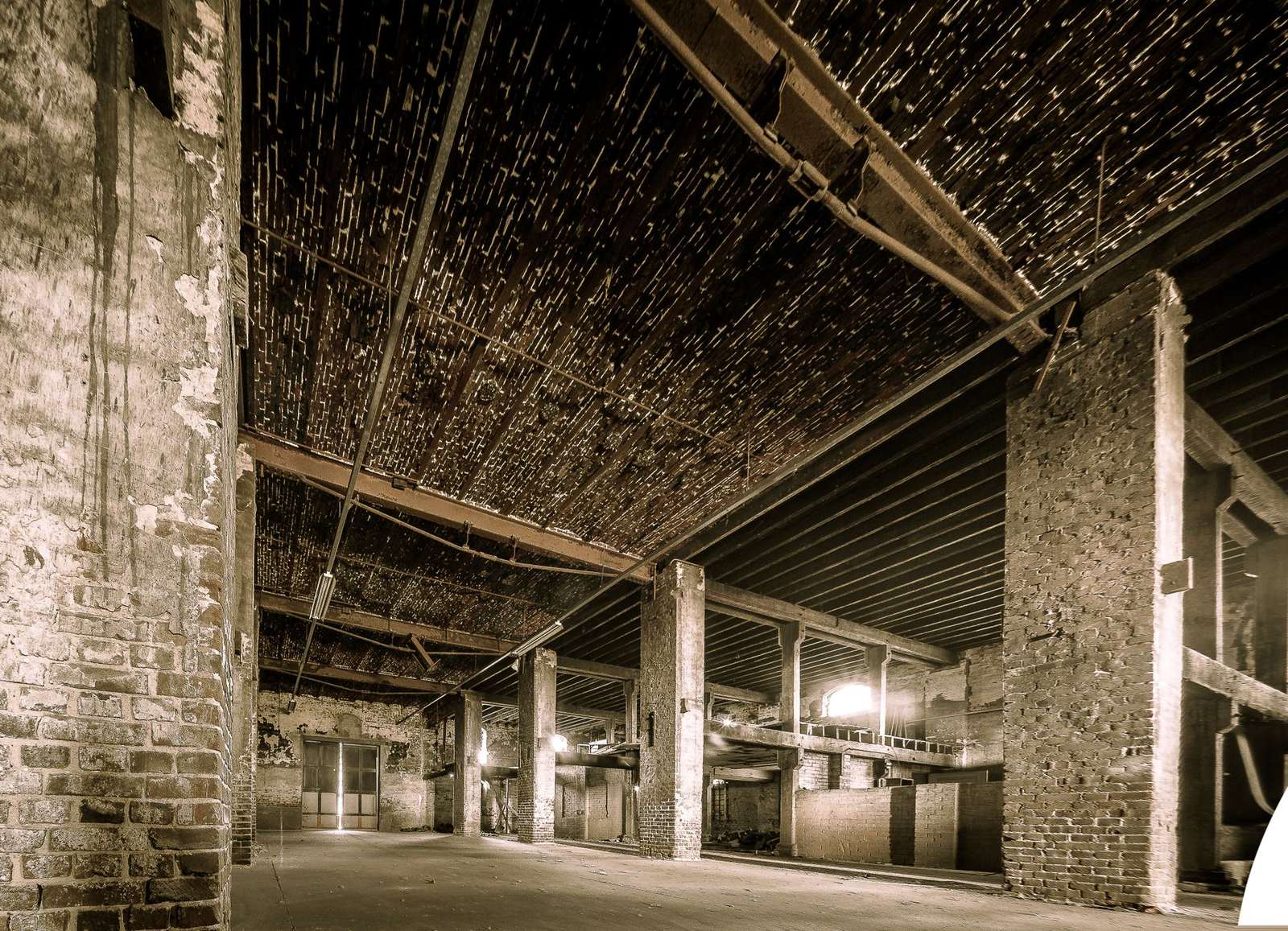
Bushwick came next, and it started rough. The Brooklyn Rail’s June 2011 article says artists began arriving off the L train at Morgan Avenue and Jefferson Street as early as 1999, in an area “ravaged by violence, poverty, and fire in the 1970s.” What they got in return was space: the Rail cites 8000 square feet for $2000 a month.
The Rail’s chronology of the early years runs roughly like this:
- 2002: Life Cafe and Brooklyn Natural grocery open, and performance artist Jonah Bokaer founds Chez Bushwick.
- 2006: The 3rd Ward opens as a community, art and education center, and NurtureArt relocates from Williamsburg.
- 2007: Arts in Bushwick launches Bushwick Open Studios, and Grace Exhibition Space opens.
- 2009: Regina Rex is founded, a gallery run by 13 artists.
The pattern behind those dates is that artists also became the local infrastructure. The Rail describes a community “with artists taking on multiple roles, experimenting as dealers, curators, critics, and collectors.”
How open studios and artist-run galleries built the scene
Arts in Bushwick, a volunteer organization with no official hierarchy, launched Bushwick Open Studios in 2007. The Rail reported in June 2011 that it included over 350 artists and galleries, and the Times counted more than 500 artists at the sixth annual edition in June 2012. Our bushwick open studios guide looks at the festival in more detail.
Artist-run spaces did the same work year-round. As of the Rail’s June 2011 article, there were over 20 exhibition spaces in Bushwick, and Austin Thomas’s Pocket Utopia had hosted Sunday salons that connected and publicized the artist community.
Attention followed. The Rail said the model had earned serious critical attention in Artforum, Art in America, The New Criterion and the New York Times. It also reported that the Chelsea gallery Luhring Augustine had bought a 10,000-square-foot storage space and meant to dedicate a quarter of it to exhibitions.
Williamsburg’s loss was partly Bushwick’s gain. The Rail notes that the not-for-profit Momenta Art, founded in 1986, moved out of its Williamsburg storefront into a large exhibition and office space on Bogart Street.
What the pattern shows
Cotter noted that “frontier” once said something about the art itself: in SoHo in the 1960s and ’70s, it meant new media such as video, installation and sound art. By 2012 he judged that Bushwick “can really no longer be considered a buzzy frontier.” He was not uncritical, comparing the experience to “a giant M.F.A. graduate show,” yet he also praised the atmosphere of “people working side by side.”
Across these sources, three steps repeat:
- Cheap, large, often industrial space draws artists first.
- Artists build their own venues, festivals and small businesses.
- Critics and commercial galleries arrive once the scene is visible.
That sequence explains why the history of the Brooklyn art scene moves from neighborhood to neighborhood, and why each wave describes itself as a community before it is a market.
Frequently asked questions
When did artists start moving to Bushwick?
Show answer
The Brooklyn Rail says artists began arriving off the L train as early as 1999, some even before that.
When did Bushwick Open Studios begin?
Show answer
Arts in Bushwick launched it in 2007, according to the Rail. The Times reported more than 500 artists at the sixth annual edition in June 2012.
What was Williamsburg’s “second wave”?
Show answer
A 2011 Hyperallergic report uses the term for the period that began in 1998 and continued until 2002.
Why did artists leave Manhattan?
Show answer
Critic Holland Cotter’s review in the New York Times describes Manhattan as an unaffordable borough, with artists increasingly making their home in Brooklyn, starting with Williamsburg.